
Races of Conliah
KAITO THE HALFLING: Tell me, friends, were the laws written by an Agathos or by a mortal?
ASEM THE WOOD ELF: An Agathos, Kaito, but I do not know which one. Among us Wood Elves we say Iazus made the laws, but High Elves like Sitarophilus say Burrue did it. Is that right, Sitarophilus?
SITAROPHILUS THE HIGH ELF: You are right we do, Asem, but I also do not really know.
-- The Thirty-Third Cloudruled Dialogue: The Warlords
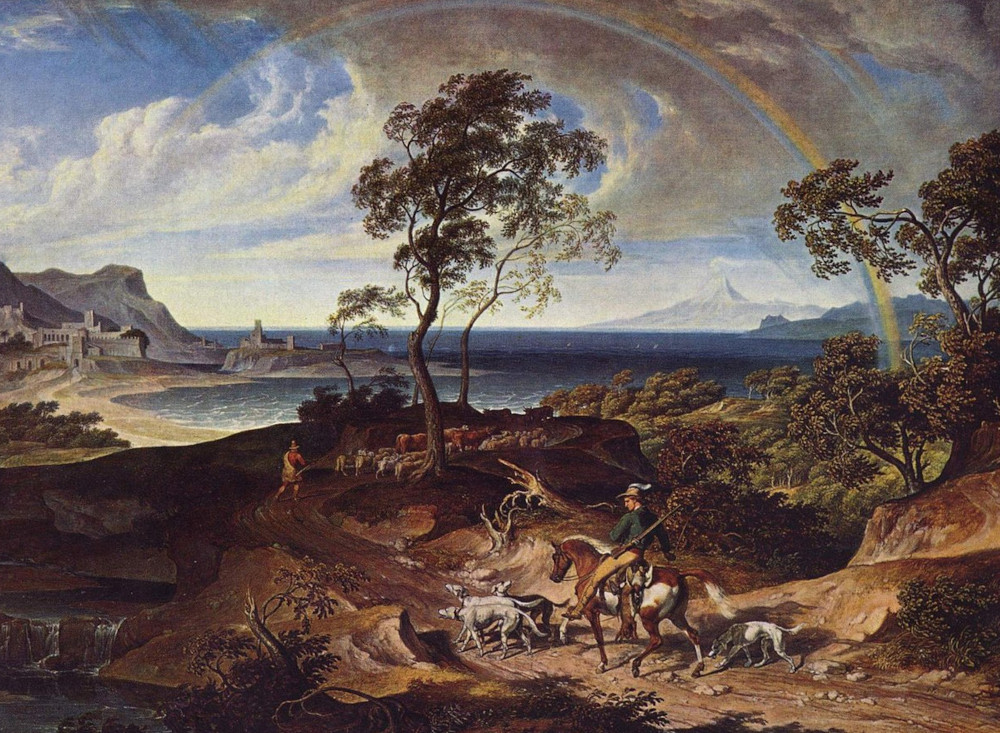
There are eight major races in Conliah, each hailing from one of the eight provinces. There are also less numerous races across the provinces, who answer to the provincial government they hail from.
Humans
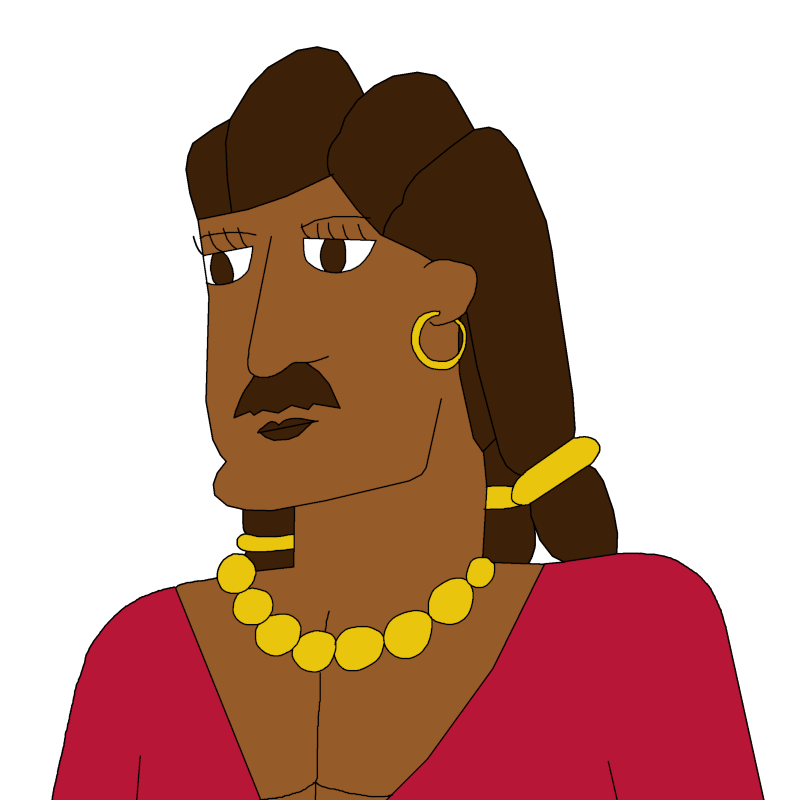
- Physical Description: Humans are highly varied in their physical appearance.
- Lifespan: Humans reach adulthood at 20 years, middle age at 40 years, elderhood at 60 years, and usually die by 80 years. They can live up to 110 years.
- Homeland: They hail from the temperate coast of Eastgardia, which has a variety of mountains, hills, forests, and wetlands.
- Culture: Human society is defined by pragmatism, diplomacy, and political aptitude.
- Disposition: As the ruling race of the Yargyez Empire, Humans seek to maintain its continuity in Conliah, restore its former glory, and broker agreement between the other provinces.
- Language: Humans speak Common, the official language of the Yargyez Empire.
- Names:
- Male: Lale, Kite, Rothik, Barap, Satip, Guthin
- Female: Giha, Basitra, Resha, Kata, Sapitha, Valeta
- Second names: Only the Human aristocracy has true patrilineal surnames of the form [Given Name] of House [Family]. Examples of major families are Yargyez, Gothiko, and Parsha. There is no standard rule for commoner bynames.
Dwarves
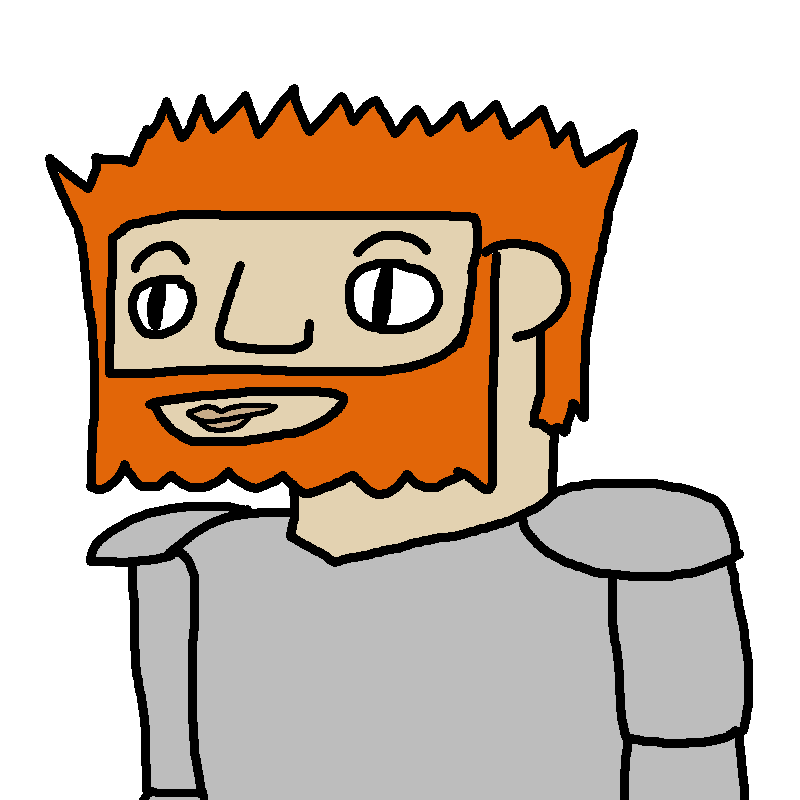
- Physical Description: Dwarves are stout, standing at about 4 feet tall. They are generally broad and strong.
- Lifespan: Dwarves reach adulthood at 24 years, middle age at 48 years, elderhood at 72 years, and usually die by 96 years. They can live up to 132 years.
- Homeland: Their homeland is the icy mountain province of Helscar.
- Culture: Dwarven society emphasizes stoicism, artisanry, military reverence.
- Disposition: The mountain Dwarves of western Helscar tend towards demanding greater autonomy from the Yargyez Empire, whereas the foothill Dwarves of eastern Helscar tend towards loyalty and integration with the Empire.
- Language: Dwarves speak Dwarvish and Common.
- Names:
- Male: Yurz, Frang, Wolfhan, Horik, Yarel, Karik
- Female: Heigrid, Inya, Sonti, Elya, Godhi, Bagrid
- Second names: Dwarves use patronymic bynames, of the form [Father]'s son, [Father]'s daughter, or [Father]'s kid.
Halflings
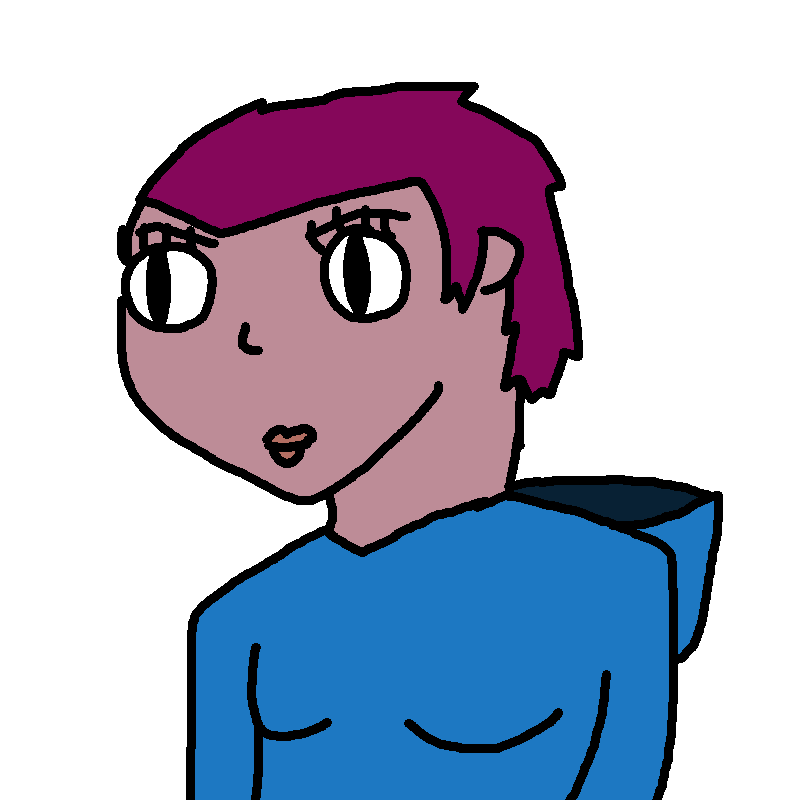
- Physical Description: Halflings are small, standing between 3 and 4 feet tall. They are skinnier and frailer than Dwarves.
- Lifespan: Halflings reach adulthood at 24 years, middle age at 48 years, elderhood at 72 years, and usually die by 96 years. They can live up to 132 years.
- Homeland: They hail from Middlestone, which consists of three regions: rolling hills and valleys to the north, a massive fertile prarie in the center, and forested hills to the south.
- Culture: Halfling society values chivalry, formal etiquette, humility, and piety.
- Disposition: As a central and agriculturally productive region, Middlestone was under constant attacks from adjacent regions during the interregnum. As a result, Halflings are among the most fervent supporters of the Yargyez Empire as protectors.
- Language: Halflings speak Halfling and Common.
- Names:
- Male: Ashiko, Yokashi, Takira, Kiriko, Shishito, Katako
- Female: Fuho, Miho, Shiko, Niko, Kiko, Tato
- Second names: Halflings have true patrilineal surnames of the form [Given Name] [Family]-zu. Examples of major clans are Teteko, Atana, and Kariko.
Dark Elves
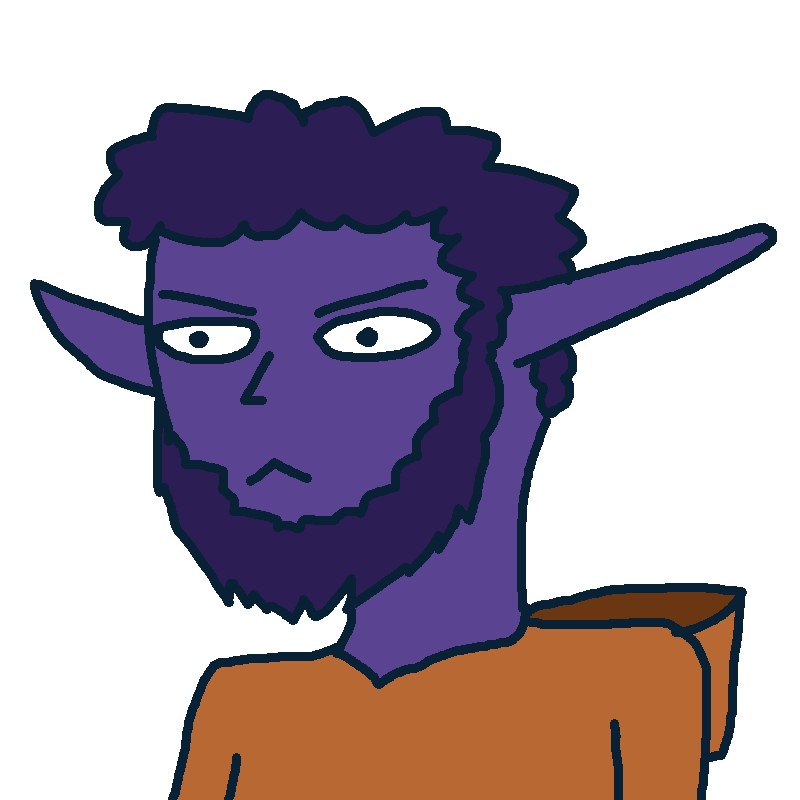
- Physical Description: Dark Elves are of average height, slender, with dark gray to bluish purple skin.
- Lifespan: Dark Elves reach adulthood at 22 years, middle age at 44 years, elderhood at 66 years, and usually die by 88 years. They can live up to 121 years.
- Homeland: Their homeland is the volcanic taiga province of Valorgale.
- Culture: Dark Elven culture is steeped in secrecy and clan loyalty.
- Disposition: Perspectives on the Yargyez Empire vary widely across clans: some are loyal to the Yargyez, and others are outright Archon worshipping revivalists.
- Language: Dark Elves speak Dark Elvish and Common.
- Names:
- Male: Azong, Taiguda, Tiyun, Gozing, Yongtin, Gaiti
- Female: Bumjer, Erbutai, Jerdeni, Umbani, Erjer, Jerutai
- Second names: Although clan identity is very important in Dark Elf culture, there is no formal system of surnames. The inconsistent use of bynames are common.
Wood Elves
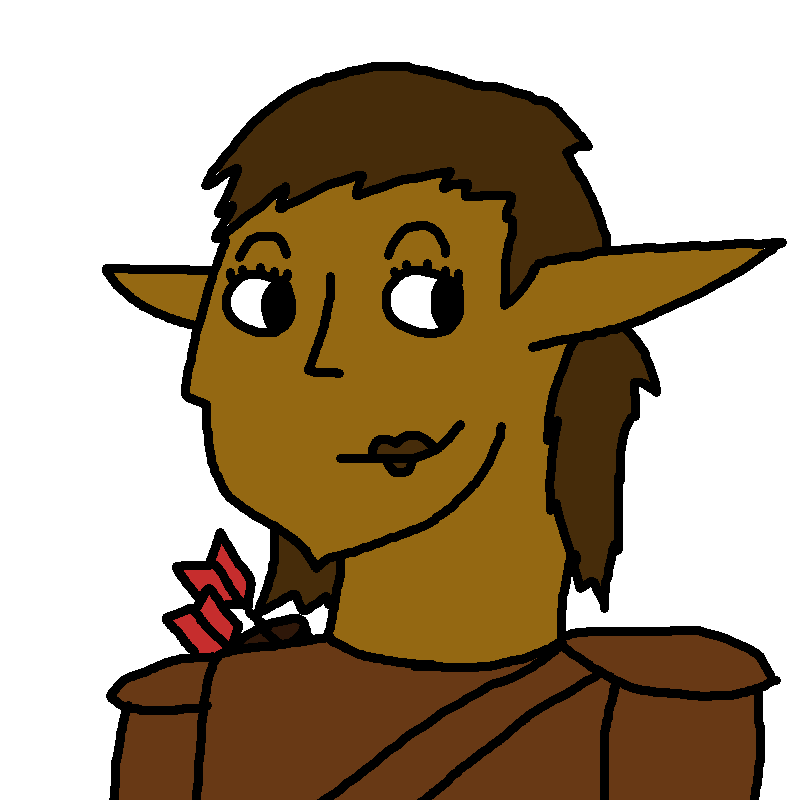
- Physical Description: Wood Elves are short and slender, with olive-toned to brown skin.
- Lifespan: Wood Elves reach adulthood at 22 years, middle age at 44 years, elderhood at 66 years, and usually die by 88 years. They can live up to 121 years.
- Homeland: They hail from the mountainous forests of Westerwood.
- Culture: Wood Elven culture values ecological spirituality, resourcefulness, and a strong hunting tradition.
- Disposition: Having historically suffered under High Elf domination, Wood Elves see the Empire as a stabilizing buffer preserving their autonomy. However, there are secret factions in Westerwood who side with High Elven revivalists.
- Language: Wood Elves speak Wood Elvish and Common.
- Names:
- Male: Takhildin, Turlandel, Akhsunal, Lursukhil, Tamirnal, Mirlakhil
- Female: Nazhan, Ainura, Dilima, Gizhan, Zhanura, Linira
- Second names: Wood Elves use patronymic bynames, of the form [Given Name] lim [Father].
High Elves
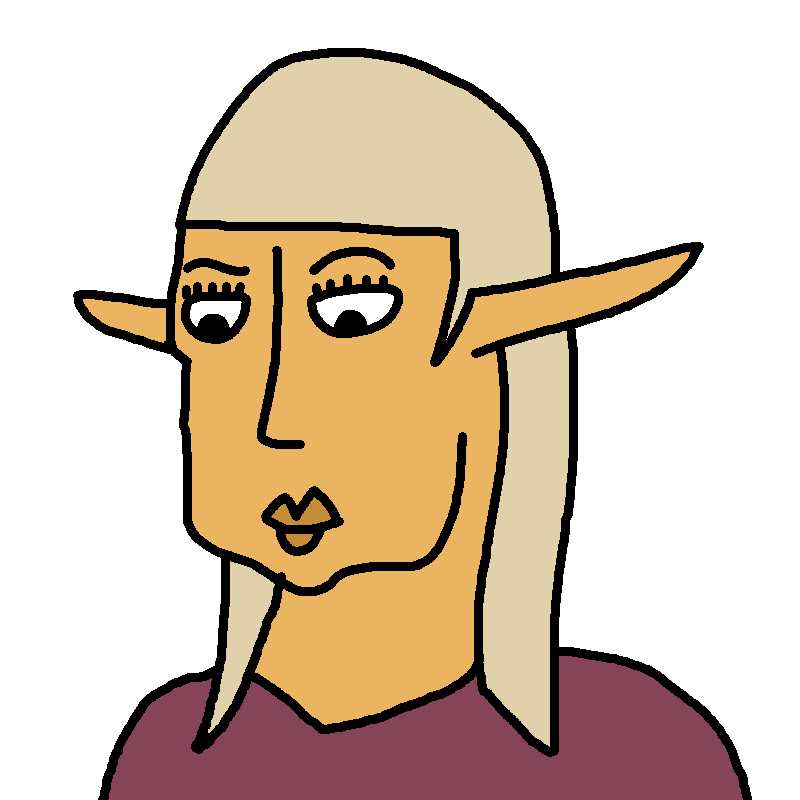
- Physical Description: High Elves are tall and slender, with radiant golden skin.
- Lifespan: High Elves reach adulthood at 24 years, middle age at 48 years, elderhood at 72 years, and usually die by 96 years. They can live up to 132 years.
- Homeland: They hail from the arid mountains of Fair Island.
- Culture: High Elven society upholds religious dogma, the arcane arts, and a hierarchy based on lineage.
- Disposition: High Elves are nostalgic for the Magellian Empire, which prioritized High Elf superiority. Many High Elves view the Yargyez Empire as having strayed from the original form of Agathos worship practiced in the Magellian Empire.
- Language: High Elves speak High Elvish and Common.
- Names:
- Male: Achos, Taleas, Diacrates, Lenysis, Goreas, Homias
- Female: Astera, Zedara, Ozia, Elaria, Dorela, Soria
- Second names: High Elves use toponymic bynames, of the form [Given Name] lin [District]. Populous districts in the capital of Thesekira are Apolek, Tarnis, and Maphelius.
Catfolk
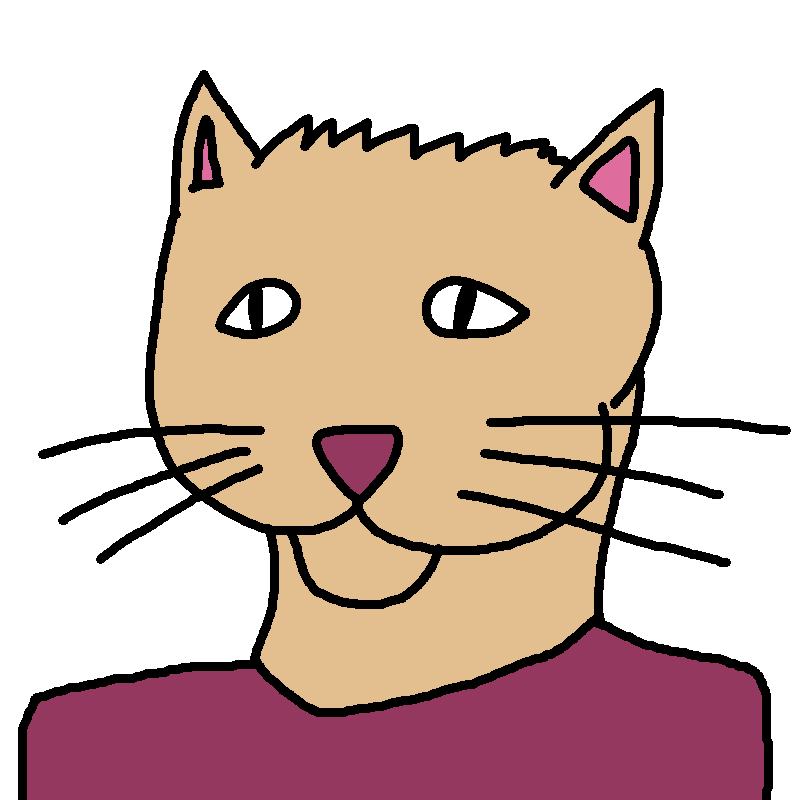
- Physical Description: Catfolk are feline humanoids with sandy brown fur, upright ears, sharp claws, and long tails.
- Lifespan: Catfolk reach adulthood at 20 years, middle age at 40 years, elderhood at 60 years, and usually die by 80 years. They can live up to 110 years.
- Homeland: They hail from Wuthelark, which consists of three regions: a jungle to the south, a desert to the north, and a mountain range dividing them.
- Culture: Catfolk culture centers celestial spirituality, clan loyalty, and libertinism.
- Disposition: Perspectives on the Yargyez Empire are split geographically between jungle and desert Catfolk. The northern nomads resist the Yargyez Empire's encroachment due to its unwillingness to recognize nomadic land rights.
- Language: Catfolk speak Catfolk and Common.
- Names:
- Male: Golni, Pundi, Dadiya, Tunnad, Samuha, Dvariya
- Female: Bangu, Binan, Enduk, Konis, Kalis, Untam
- Second names: Southern Catfolk use toponymic bynames, but these are informal and flexible. They take the form [Given Name] di [Place]. Occasionally, Southern Catfolk use other kinds of bynames too. Northern Catfolk have no consistent system of bynames.
Lizardfolk
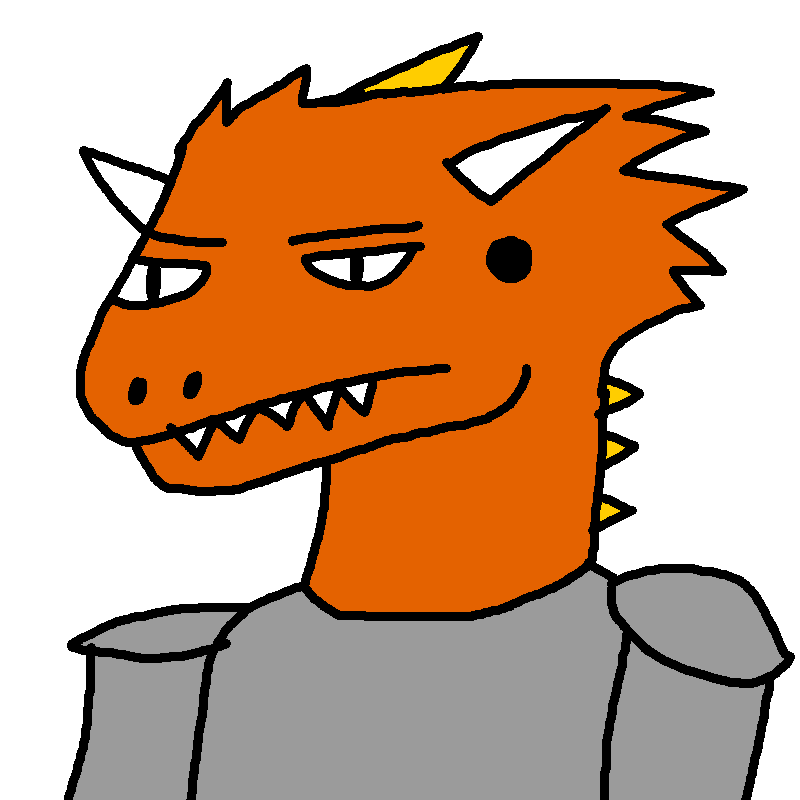
- Physical Description: Lizardfolk are reptilian humanoids with red or greenish brown scales and sharp claws.
- Lifespan: Lizardfolk reach adulthood at 20 years, middle age at 40 years, elderhood at 60 years, and usually die by 80 years. They can live up to 110 years.
- Homeland: They hail from the marsh province of Nightglade.
- Culture: Lizardfolk culture emphasizes ecological spirituality, ancestor veneration, and clan loyalty.
- Disposition: Lizardfolk are, on the whole, enemies of the Yargyez Empire. The Lizardfolk rulers who agreed to peacefully cede their lands to the Yargyez Empire in exchange for continuous rule are viewed as traitors to their own race. Factions of Lizardfolk across Nightglade actively resist Yargyez presence in the province. Many rebels have taken to underground caves across Nightglade and Eastgardia to stage attacks on Imperial outposts.
- Language: Lizardfolk speak Lizardfolk and Common.
- Names:
- Male: Yengtan, Hobuing, Dongok, Toavan, Kuyet, Sontan
- Female: Bithui, Nuwan, Natlan, Thiho, Tangko, Trinku
- Second names: Lizardfolk have true patrilineal surnames of the form [Given Name] [Family]. Examples of major clans are Yehok-Tin, Engpan-Yet, and Okyeng-Weng. These patrilineal surnames are somewhat political. Those who are loyal to the Yargyez Empire and the Lizardfolk aristocracy tend to retain traditional surnames. Those who support the Lizardfolk rebellion tend to abandon traditional family names in favor of self-assumed neologized honorifics like Dark-Eyes, Virtue-Speaker, and No-Name. These neologized honorifics are sometimes passed down patrilineally, matrilineally, or sometimes replaced with new honorifics of the same kind.
Orcs
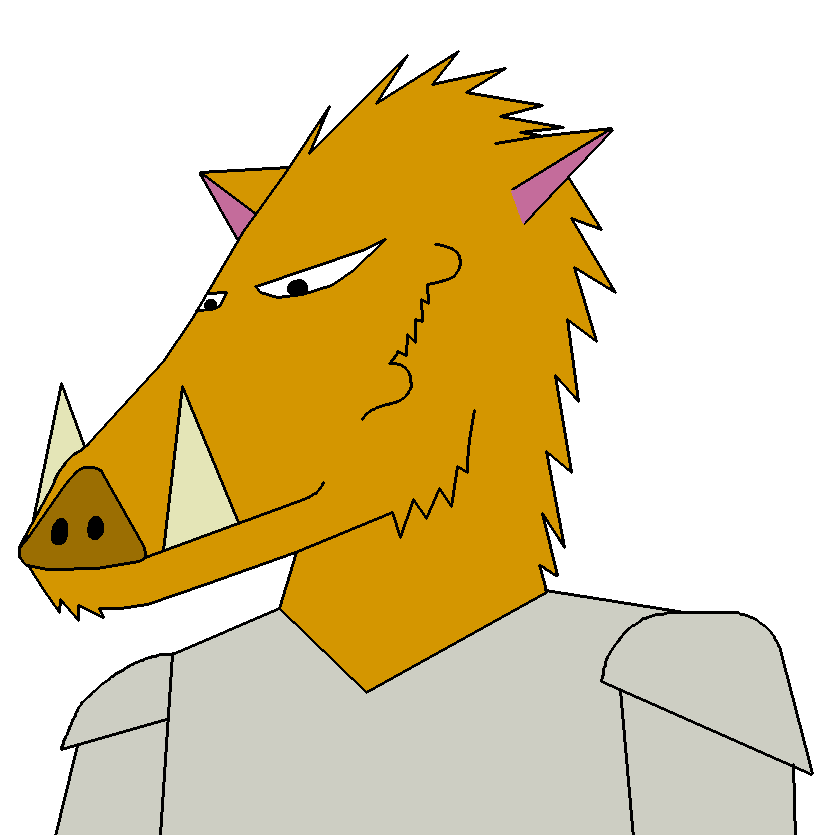
- Physical Description: Orcs are tall and strong. Their faces are somewhat warthog-like, with straight medium-length tusks, elongated snouts and small lower jaws, pronounced cheekbones, and short pointy ears. Their skin is primarily green with a tinge of gray, and their fur covers their entire body with a mix of black and brown hues.
- Lifespan: Orcs reach adulthood at 24 years, middle age at 48 years, elderhood at 72 years, and usually die by 96 years. They can live up to 132 years.
- Homeland: The Orcs are one of the Lodumpan races.
- Culture: Orcish culture upholds religious dogma, hereditary hierarchy, and reverence for military service.
- Disposition: They see the Yargyez Empire as decadent and corrupt, and view the incursion of the Uzvu as a divinely sanctioned civilizing mission.
- Language: Orcs speak Orcish.
Names:
- Male: Goruk, Gona, Zargan, Estokel, Yabi, Kola, Margozek
- Female: Ruwa, Fiyotaz, Bozai, Ledo, Tigo, Rabo, Saka
- Second names: Orcs use patronymic bynames, of the form [Given Name] iz-[Father].
Goblins
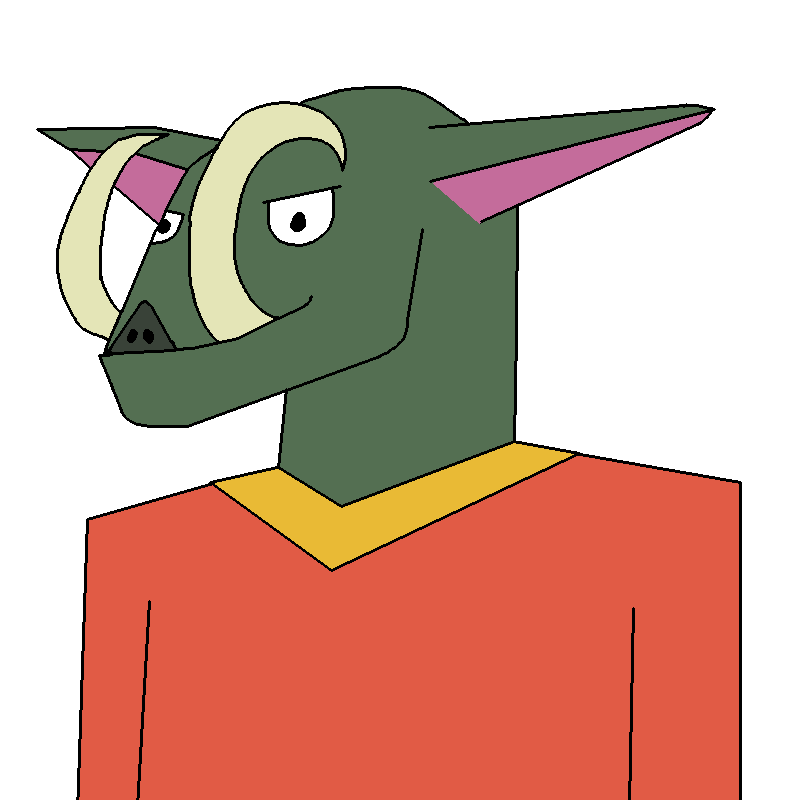
- Physical Description: Goblins are small humanoids. Their faces are somewhat babirusa-like, with long curved tusks long pointy ears, medium-length snouts and medium-size lower jaws. They are mostly hairless, with a skin tone halfway between green and gray.
- Lifespan: Goblins reach adulthood at 22 years, middle age at 44 years, elderhood at 66 years, and usually die by 88 years. They can live up to 121 years.
- Homeland: The Goblins are one of the Lodumpan races.
- Culture: Goblin culture values commerce, technological inventiveness, and pragmatism.
- Disposition: Goblins view the Yargyez Empire as a repository of riches, ripe for extraction and development.
- Language: Goblins speak Goblin and Orcish.
Names:
- Male: Tims, Tins, Trix, Trops, Pats, Pils, Tox
- Female: Marx, Max, Renks, Rinks, Lits, Larts, Mux
- Second names: Goblins almost exclusively use profession-based bynames, of the form [Given Name] the [Profession].
Ogres
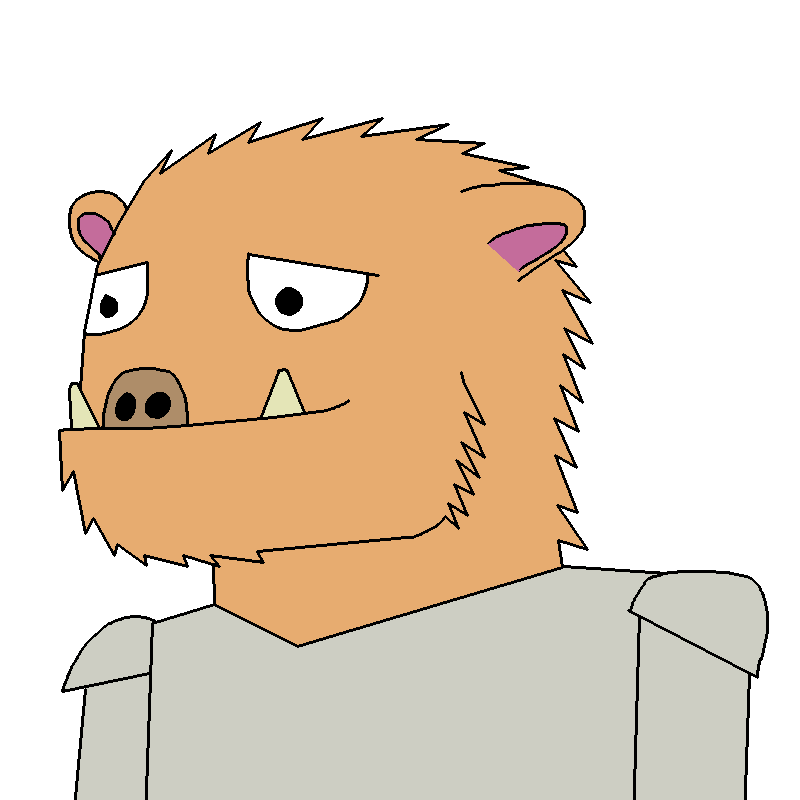
- Physical Description: Ogres are large and broad humanoids. Their faces are somewhat boar-like, with flat snouts, heavy jowls, small tusks, and large lower jaws. Their skin is primarily gray with a tinge of green, and their fur covers their entire body with hues of beige and gray.
- Lifespan: Ogres reach adulthood at 22 years, middle age at 44 years, elderhood at 66 years, and usually die by 88 years. They can live up to 121 years.
- Homeland: The Ogres are one of the Lodumpan races.
- Culture: Ogre culture highlights disciplined work ethic, economic individualism, and a desire for recognition.
- Disposition: They view the Yargyez Empire as an opportunity to raise their social status by acquiring underdeveloped tracts of land in exchange for serving as settler soldiers of the frontier.
- Language: Ogres speak Ogre and Orcish.
Names:
- Male: Waraboo, Dalagoo, Monapoo, Bakadoo, Gomaloo, Bameroo, Boraboo
- Female: Boyaga, Nabito, Hokaro, Mabano, Dogabo, Tibaro, Wonata
- Second names: While it is not universal, many Ogres have patrilineal surnames of the form [Given Name] [Family]. Common surnames are Boogaroo, Banaboo, and Dagaroo. Otherwise, there is no standard form for Ogre bynames.
Multiple Race Heritage
Racial identity has three layers in Nephelai: biology, culture, and legal classification. For the majority of sentient mortals, all three layers coincide without complication. However, multiple race heritage and cultural assimilation often results in multiple interpretations of an individual's race. Legal classification often does not resolve the ambiguity, but preserves it due to the small minority of multiple race individuals.
Biology
Although their exact origins are unknown, six major races of Conliah share a common lineage which allows full interbreeding between them. These are called the "Dimo races" and include Humans, Dwarves, Halflings, High Elves, Dark Elves, and Wood Elves. Their offspring have traits which are the average of the multiple racial backgrounds. It is commonly believed that three major pre-historic events shaped the history of the Dimo races, but nobody knows how long ago. First, the Old Elves became isolated from the rest of Conliah, perhaps on Fair Island. Second, the races of Conliah became very diverse, including Humans, Dwarves, and Halflings but also many other less numerous races which are no longer distinctive. Third, the Old Elves migrated back to the Conlian mainland and intermarried with different mainland races. These mainland races were not Humans, Dwarves, or Halflings, but from the less numerous races no longer known. After this intermarriage, each population of hybrid Elves remained insular within its own group. These events resulted in the unique traits of High Elves, Wood Elves, and Dark Elves yet also retained their common ancestral traits of the Old Elves.
Catfolk and Lizardfolk are not Dimo races. Each of them are biologically distinct, reproductively incompatible species. Orcs, Goblins, and Ogres are capable of producing offspring with each other, but not with any native race of Conliah. Again, their offspring have traits which are the average of the multiple racial backgrounds. These three races are called "Porcine races". Cthonians, as beings without a true "biology", are not capable of producing offspring with sentient mortals.
Culture
Certain combinations of two races have common names, and based on physical appearance are not socially understood as belonging to a single racial identity. These combinations are often found in border regions between two racial homelands as well as more cosmopolitan cities:
- Elfmans are part Elf and part Human.
- Dwarfmans are part Dwarf and part Human.
- Elflets are part Elf and part Halfling.
- Dwarflets are part Dwarf and part Halfling.
- Humlets are part Human and part Halfling.
- Dwelves are part Dwarf and part Elf.
When multiple races of Elves produce offspring, the offspring adopt a single Elf racial identity based on social perception regardless of physical appearance. The tendency is for mixed race Elves to always culturally identify with the lowest social stratum. High Elves are never recognized as descended from Wood or Dark Elves, and Wood Elves are never recognized as descended from Dark Elves. This means that, for instance, the child of a High Elf and Wood Elf having a High Elf "look" who is born on Fair Island and participates in High Elf society may still be considered a Woof Elf.
Legal Classification
Where such definition is unambiguous such as Lizardfolk and Catfolk, the Yargyez Empire defines race in terms of biology regardless of the cultural identity of the individual. Otherwise, the Yargyez Empire categorizes race according to cultural identity and ancestral homeland province regardless of the individual's "look". Multiple race identity is not considered a valid category in the Yargyez Empire's administration. In cases where self-identification and homeland are conflicting, the Empire tolerates the ambiguity without any attempt to resolve it. Both identities are treated as legally valid. Once again, this is because exceptions are fairly uncommon.